It starts with
your curiosity.
MAKEYOUR OWNSOUND.
A different
way to
make music.
Computer science, engineering and creative practice. Four connected areas of discovery.
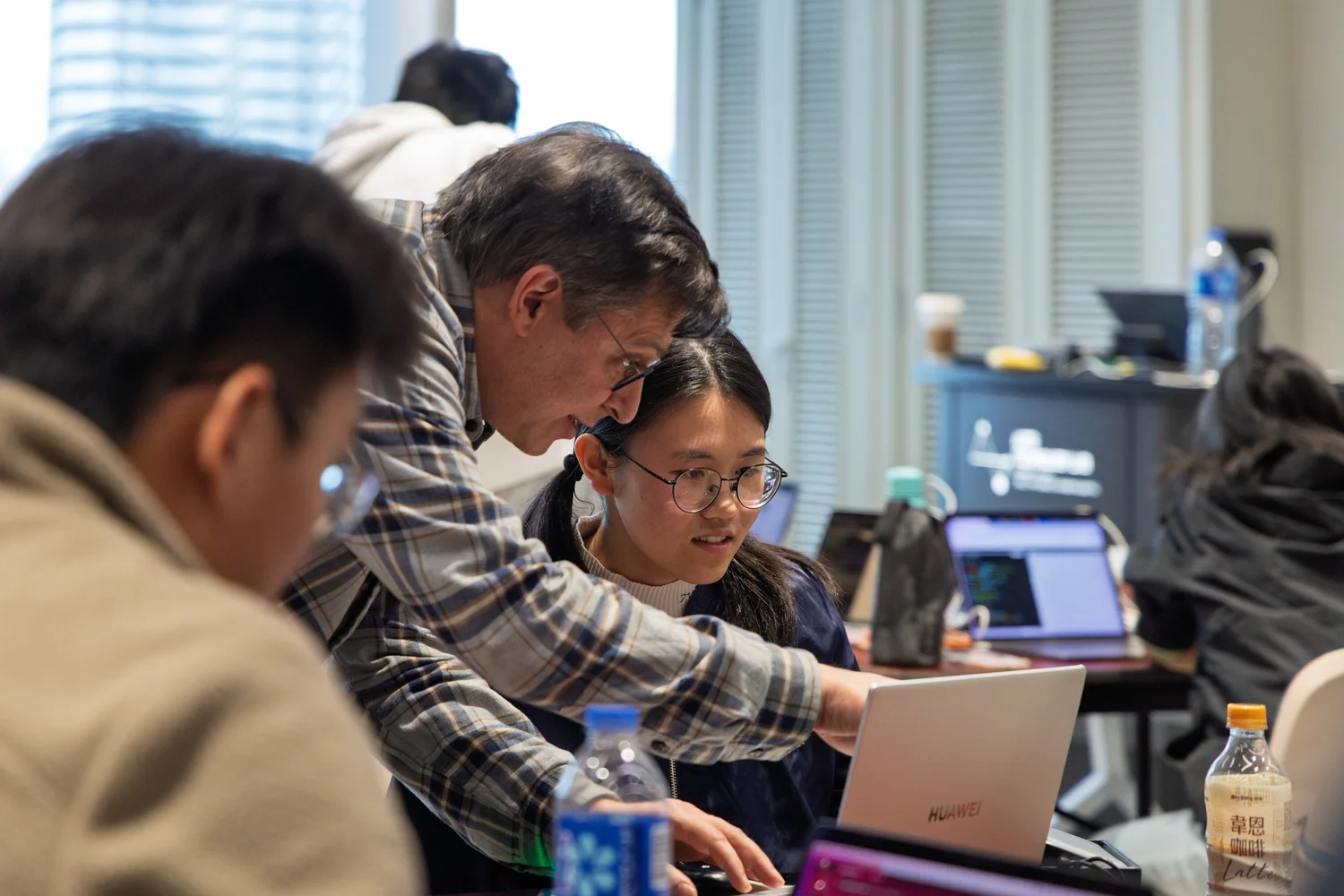
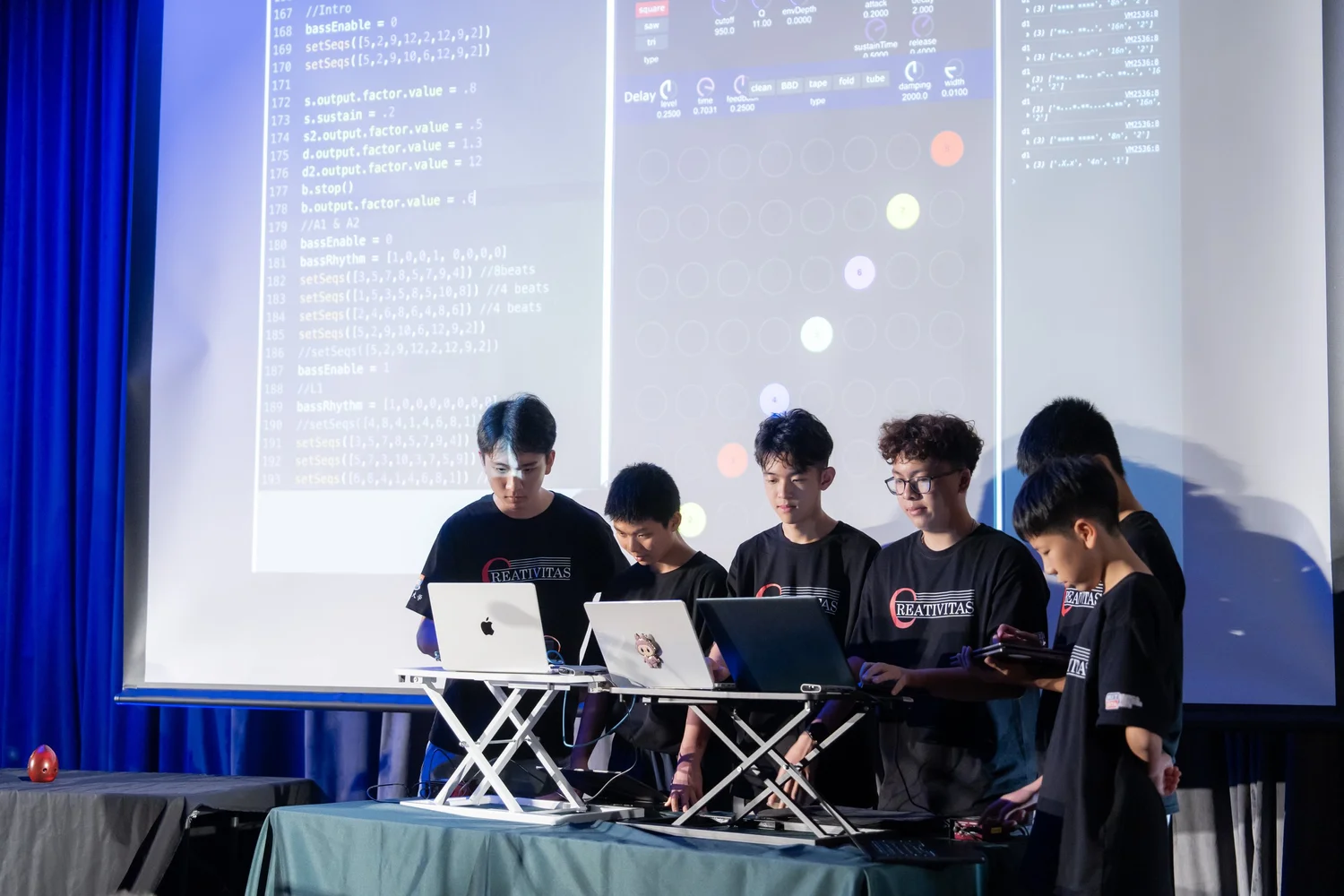
Move from programming fundamentals to musical abstractions and generative music.
A signal.
Infinite expression.
A frequency is a starting point.
Change it. Hear what happens.
Sound starts only when you press play.
03 / INSIDE THE WORKSHOP
Curiosity
needs room.
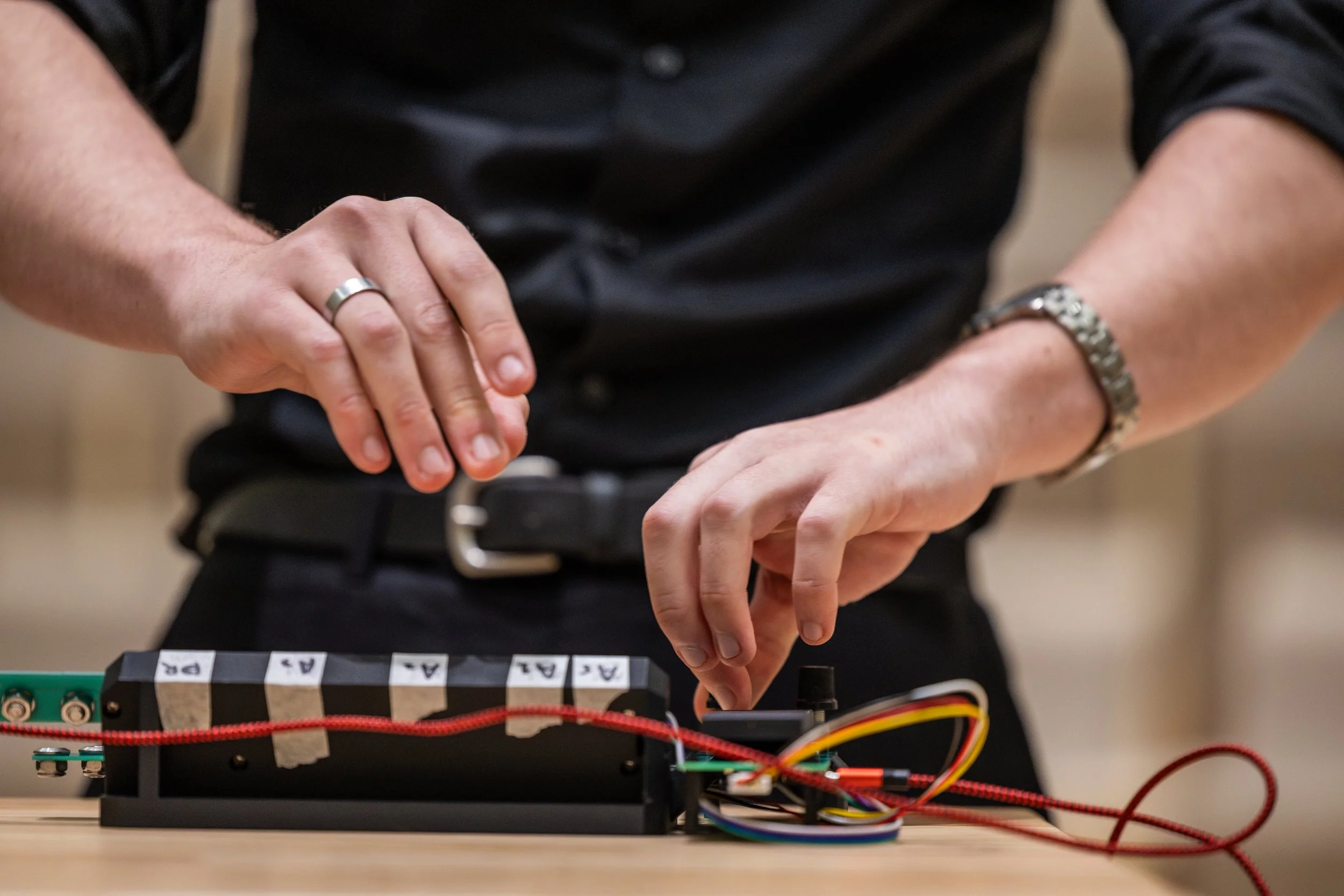
Try an idea. Build a musical instrument.
Work through the questions together.
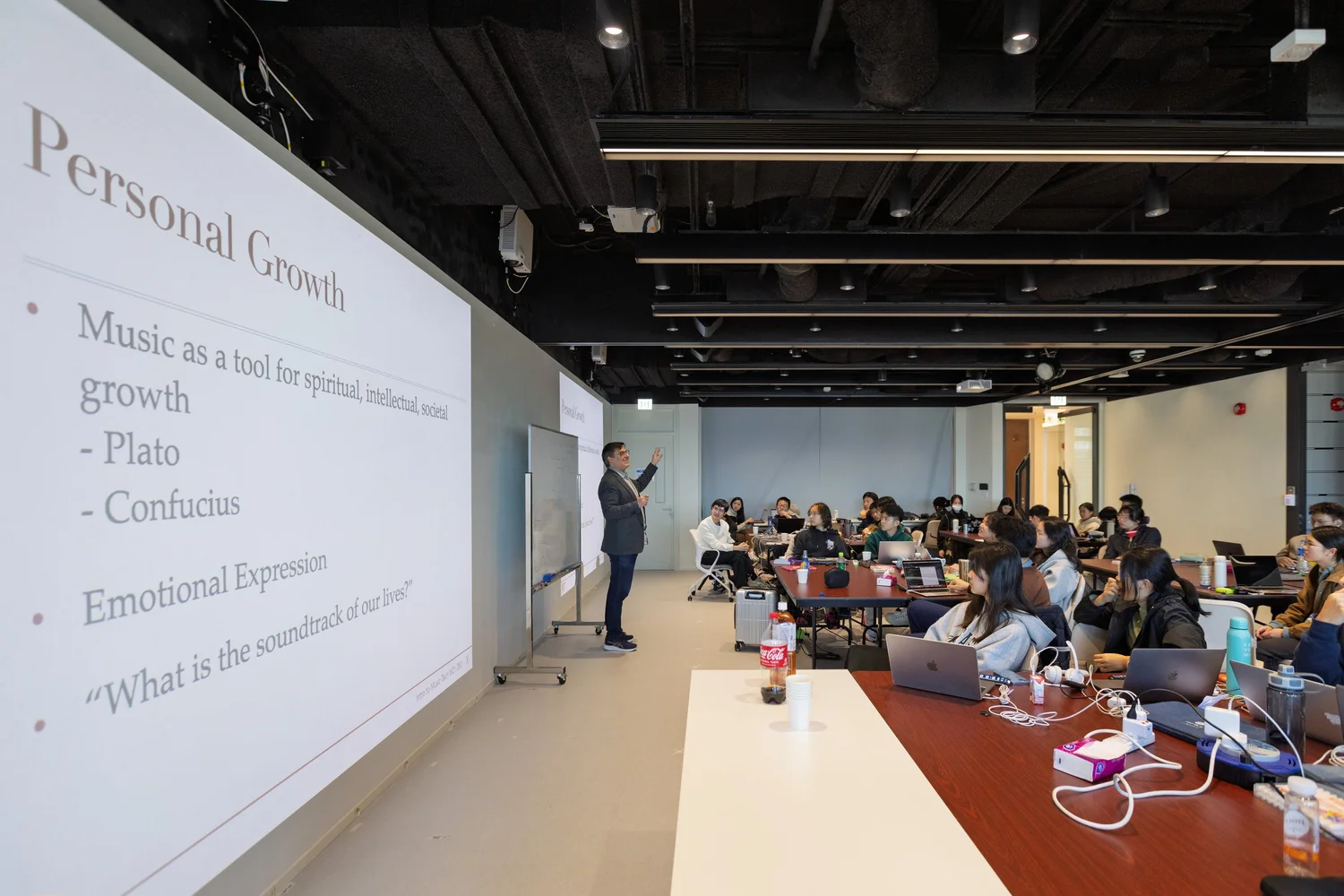
LIVE.
From the first experiment
to a final performance.
“...made creativity feel limitless.”Adriel S. / MEC studentRead student experiences
Go beyond
the known.
A year of music technology research, guided by Ian Hattwick. Connect with MIT students and faculty and contribute to an academic project.
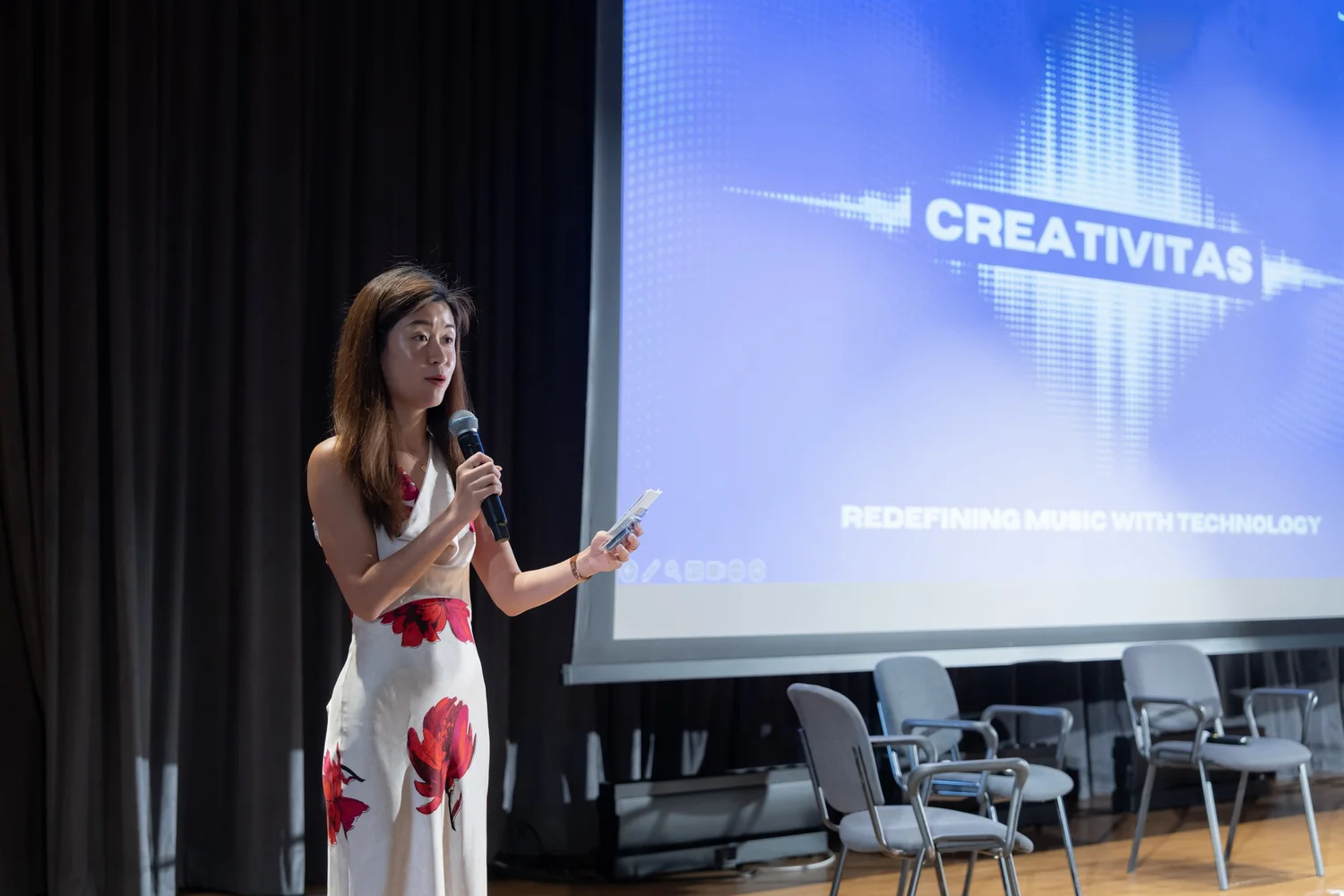
Weekly online lab meetings. Explore the research process and develop questions.
06 / IDEAS ARE HUMAN
About MEC & full biographies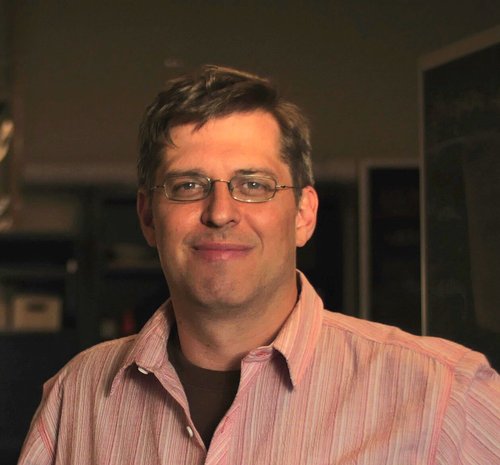
Ian
Hattwick
Artist, researcher and technology developer. Director of the Collaborative Music Lab, exploring digital systems for artistic performance.
Where will
you begin?
One week. A new way to create.
In-person workshops at MIT in Cambridge, combining programming, instrument-making and a final musical performance.
- Published 2026 sessions
- June 15–19 · July 13–17
- Location
- MIT campus, Cambridge, MA
These dates have passed. Contact MEC for future availability. Published application materials: transcript, two short essays, a teacher recommendation and a 1–2 minute introduction video.
View program detailsDo I need a musical or technical background?
No previous musical or technical background is required for the main program. Curiosity can start in either area. Research applicants who have completed MEC are preferred.
What will I learn and make?
Explore programming, electronics, sound synthesis, recording and electronic music. Summer participants make a digital instrument, compose original music and perform with it.
Is this STEM or arts?
Both. Technical skills become tools for personal creative expression, bringing computer science, engineering, composition and performance together.
Where does it take place?
The summer program is held at MIT in Cambridge, Massachusetts. Research combines online lab meetings with an in-person writing intensive.
How do I apply and find tuition information?
Use the official program page for application instructions. Tuition payment instructions accompany acceptance letters. Contact MEC to confirm future dates, availability and accommodation arrangements.
MAKEYOURSOUND.
Bring your questions.
See what you can make.